
Regular roof inspections are a critical component of every home maintenance plan, as they not only help to keep your home safe and comfortable, but they also give you the chance to address minor roofing issues before they can blossom into serious problems.
And though roof inspections are important for all homeowners, they are especially important for those living in states that often experience severe weather, like South Carolina.
But unfortunately, most homeowners don’t realize the importance of having regular roof inspections carried out, nor do they know what to expect from the process. To help, we’ll outline some of the most important reasons you should have regular roof inspections conducted and explain how the typical roof inspection process unfolds.
7 Reasons to Have Roof Inspections Conducted Regularly
In actuality, there are countless reasons to have regular roof inspections carried out by a trustworthy roofing professional. However, the following seven reasons are among the most important:
- They allow you to catch minor issues early. Small problems like cracked shingles, loose flashing, or minor leaks can quickly become big problems, which necessitate expensive roof repairs if not addressed early.
- They help prevent your home from sustaining moisture damage. Roof leaks can lead to mold, mildew, and rot in your attic, walls, and ceilings, and most homeowners won’t notice these kinds of issues until the problem is quite serious. But regular inspections help identify hidden water damage, so you can make prompt repairs.
- They help extend the life of your roof. Regular maintenance and early repairs help your roof last longer, protecting your investment and delaying the need for a full replacement. But you can only conduct these repairs if you are made aware of the problems during regular roofing inspections.
- They help with insurance claims. If your roof is damaged by a storm, you’ll have a better chance of proving that the damage was caused by the storm if you have documentation of regular inspections. And ideally, photographs will be taken during the inspection, providing additional evidence that the storm caused the damage.
- They help ensure your roof remains energy efficient. Roofing materials that are in good condition will help to keep the climate stable inside your home, thereby reducing your energy expenditures over time. Regular inspections help to ensure they remain in good condition, to help prevent your heating and cooling bills from spiking.
- They help ensure your roof remains structurally sound. Roofing problems can lead to serious structural issues if water infiltrates the roof decking or framing. Inspections can help spot these kinds of issues, so you can make the necessary repairs and keep your whole home safe.
- They help ensure your roof stays code-compliant and safe. Regular inspections can help ensure your roof continues to meet local codes and safety standards. And while this is important for all homeowners, it is especially important for those who are maintaining the home as a rental property.
Specific Problems Affecting South Carolina Roofs
In addition to the typical roofing problems that can happen just about anywhere, there are also a number of roofing issues that are more likely to affect homes in the Palmetto State — primarily because of the state’s extreme weather patterns.
South Carolina may enjoy relatively mild winters, but our summers are certainly not something anyone would consider “mild.” In fact, they’re notoriously hot and humid, and we get plenty of strong storms, hail, damaging winds, and even the occasional hurricane or tropical storm slamming into our coastline.
All of these factors tend to wreak havoc on local roofs.
- High winds can damage shingles or dislodge them completely.
- Hail can dent or rip shingles and lead to granule loss.
- Torrential rains can quickly fill gutters, potentially causing water to penetrate beneath shingles.
- Strong sunlight breaks down shingle coatings more quickly than normal.
- Hurricanes and tropical storms can pelt your roof with rocks, sticks, and other objects.
It’s also important to note that while most South Carolina homes have shingle roofs, roofs with coverings made of metal, slate, clay, or other materials can also suffer damage. In fact, some of these coverings present additional challenges, such as the potential for metal roofs to rust when exposed to high humidity levels.
Did you know? In addition to a variety of roofing services, Willow Ash Roofing offers skylight installation?
How Often Are Roof Inspections Needed?
As a rule of thumb, you should have your roof inspected once per year at a minimum. However, there are some situations in which more frequent inspections may be warranted.
For example, if you’ve already discovered that your roof has an issue, it’s wise to have inspections carried out more frequently — no matter how recently it was installed.
Experts recommend scheduling a roof inspection at least once a year (generally in the spring or fall), with additional checks following severe weather events such as hurricanes or hailstorms. In South Carolina, the best time for a thorough inspection is typically in the spring or fall, when weather conditions are milder and any damage from summer storms or winter conditions can be addressed promptly.
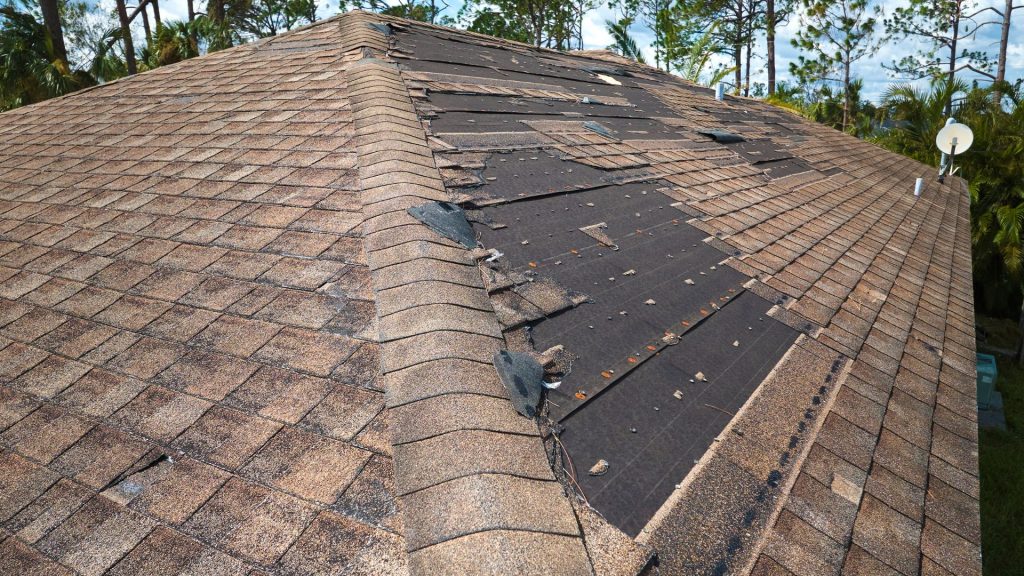
However, homeowners should also be vigilant for signs that may indicate the need for an immediate inspection, such as visible sagging, missing or damaged shingles, or leaks inside the home. Timely detection and repair of these issues can prevent more significant damage, ensuring the roof’s longevity and the home’s safety.
What Happens During a Roof Inspection?
Every roofing contractor handles roof inspections in his or her own preferred way. But while it’s difficult to explain exactly what will happen during your roof inspection, most professional roof inspections will involve four key steps.
1. Exterior Roof Inspection
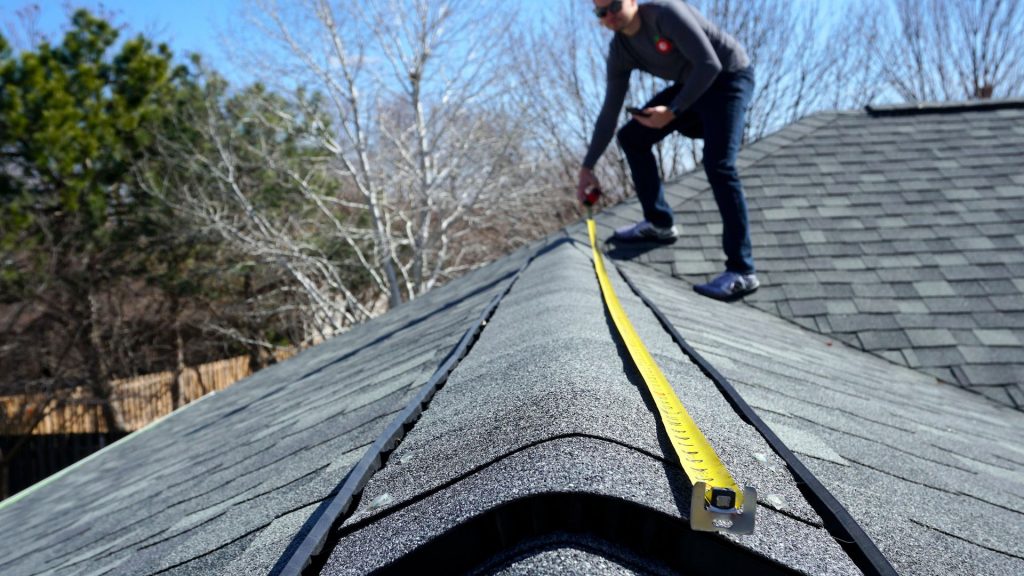
The first thing your roofing contractor will do is climb up on your roof and check for visible damage and signs of wear (in some cases, the roofer may use a drone instead of climbing up onto your roof — that’s perfectly acceptable). During this portion of the inspection, your roofer will look for things like:
- Missing, loose, or curling shingles
- Damaged, dented, or rusted flashing
- Cracked caulk or other sealants
- Damaged metal shingle coatings
- Moss or algae
- Standing water
- Damage to chimneys (including chimney chase covers), vents, skylights, and other roof structures
- Structural sagging or uneven areas
2. Gutter and Downspout Inspection
While inspecting your roof, the roofing contractor will likely examine your gutters and downspouts too. During this step, the contractor will look for:
- Leaf- or debris-blocked gutters and downspouts
- Sagging, swinging, or otherwise damaged gutters
- Proper water flow and drainage away from the foundation
Additionally, the roofer will likely look for shingle granules in your gutters. But this doesn’t signal a problem with your gutters; it’s a sign that your shingles may be in need of replacement.
3. Interior Roof Inspection
A complete roof inspection includes both an exterior and interior assessment of your roof’s condition. So, your roofing contractor will likely climb up into your attic or crawlspace to inspect your roof from below after concluding the exterior assessment. While there, he or she will check for:
- Signs of moisture penetration or water leaks
- The presence of mold
- Insufficient ventilation
- Wet or compressed insulation
- Structural damage (such as sagging) to rafters or decking
4. Reports and Recommendations
Once the actual inspection is complete, you’ll typically receive a detailed report outlining the inspector’s findings and recommendations. Often, the report will include things like:
- The condition of your roof
- An itemized list of any damage found
- Any repairs or maintenance that are required or recommended
- Photos so that you can see the issues
- An itemized estimate for any necessary repairs
What Happens After a Roof Inspection in South Carolina?
Once the roof inspection has been completed and you’ve received a report, you can begin planning to have the necessary repairs made (if necessary — often, no repairs are deemed necessary during an inspection).
Because the contractor who has conducted the inspection already has some familiarity with your roof, it is often most convenient to simply hire him or her to complete the work. Many will even offer discounts on repair services following an inspection.
However, there is never any harm in calling other roofers and obtaining additional estimates. Just be sure to vet all potential roofers carefully and ensure that they’re reputable and capable of carrying out the work professionally.
DIY Roof Inspection: Can You Inspect Your Own Roof?
Professional roof inspections are certainly important, but they aren’t always feasible, thanks to scheduling problems or budgetary issues. In these cases, you may want to consider performing a DIY roof inspection yourself. You’re unlikely to notice all of the potential issues a professional roofer would, but you may be able to spot serious problems, making a DIY roof inspection better than no roof inspection at all.
But it’s important to note that you should never venture up onto your roof — doing so is simply not safe for homeowners, and it may result in a nasty fall. Instead, you’ll simply have to inspect the roof as best you can from the ground and inside your attic.
Start outside, using a good pair of binoculars if possible. It’s generally wisest to start by examining the portions of your roof that you can see from the front yard, before moving on to the portions visible from the sides and back of your home. You may even be able to scan your roof better from a distance if you have surrounding areas that are at a higher elevation.
Be sure to scan the entire roof carefully and methodically, looking for any signs of damaged, missing, or smooth shingles (which may indicate that the granules have become dislodged). You’ll also want to look for things like pooling water, bent or dislodged flashing, and gutter problems.
Once you’ve examined the entire roof, head up to your attic and take a flashlight with you. Once you’re there, look up at the underside of your roof, checking for any obvious signs of trouble or — most importantly — water damage.
Once you’ve looked over the underside of your roof thoroughly, turn off the overhead lights while keeping your flashlight handy for safety. Once your eyes have adjusted to the darkness, look up at the underside of the roof. If you notice any places that allow light to penetrate, you’ll want to have a professional roofer examine these areas, as they indicate holes or weak spots in your roof.
Does Roof Work Require a Building Permit in South Carolina?
Many homeowners, after learning that their roof requires repairs following an inspection, wonder if a building permit will be required when the repairs are made. Every situation is unique, and different municipalities have different building permit requirements, but generally speaking, extensive roof repairs in South Carolina do require a permit.
However, if you only need a few shingles replaced, a minor hole patched, or a gutter cleaned, it is possible that you won’t need a permit. Your roofer should be able to provide guidance in this regard, and most professionals (like the roofing experts at Willow Ash Roofing) should be able to assist you in obtaining the permit.
Maintenance Tips: Three Ways to Extend the Life of Your Roof
Hopefully, your roof inspection will go well, and you won’t need to have any repairs completed. But just because your roof is in good condition today doesn’t mean it’ll remain in good condition in the future. There are no guarantees, but by implementing the following three tips, you can help protect your roof and extend its lifespan:
- Clean your gutters regularly to prevent water backup, rot, and leaks. Minimally, you’ll want to clean them twice per year, as well as following every major storm.
- Trim overhanging tree branches 6 to 10 feet back from your roof to prevent shingle damage, fallen debris from accumulating, and rodents from accessing your roof.
- Keep your roof surface clean and help prevent mold or algae growth by hiring professionals to remove debris regularly.
Trust Willow Ash Roofing for Your Roof Inspection Needs
As explained at the outset, regular roof inspections are a crucial aspect of home maintenance, and this is especially true for homes that must withstand South Carolina’s severe weather and harsh climate. But by having your roof inspected regularly, it’ll stay in better condition and give you the chance to make repairs when needed. This will help keep your roof safer and home more comfortable.
But you don’t want to trust just anyone to conduct a roof inspection. Instead, you want to rely on true roofing experts, who not only know how to spot the subtlest signs of a problem but also the way South Carolina’s climate can test a home’s roof.
Willow Ash Roofing checks off all these boxes, and we can conduct a comprehensive inspection of your South Carolina roof. From Sullivan’s Island to Goose Creek and everywhere in between, we’ve been providing roofing inspections for Charleston-area residents for more than 23 years.
Contact us today to ensure your roof remains safe and lasts as long as it possibly can.