Skip to content
You filed a roof insurance claim expecting to get help repairing the damage caused by a recent storm. But now, you’re looking at a letter from your insurance company telling you they’re not going to cover your claim. Meanwhile, your roof still needs repairs — potentially expensive ones.
So, what gives?
There are quite a few reasons a roof claim can be denied, but no matter the reason, there may be additional steps you can take. Below, we’ll try to help you navigate this process, explain some of the reasons insurers often say no, and lay out your next moves.
Start by Understanding What Your Insurance Policy Covers
Before you can make much sense of a denial, you need to know what your policy says about roof damage in the first place. Homeowners insurance can cover roof damage after certain storms and other events, but it doesn’t cover everything that can go wrong with a roof.
What Caused the Damage?
This is one of the biggest distinctions to look for in your policy.
In South Carolina, homeowners policies usually cover damage caused by events listed in the policy, which may include hail, hurricanes, lightning, and similar disasters. Normal wear and tear isn’t covered.
That difference is pretty important, especially with an older roof.
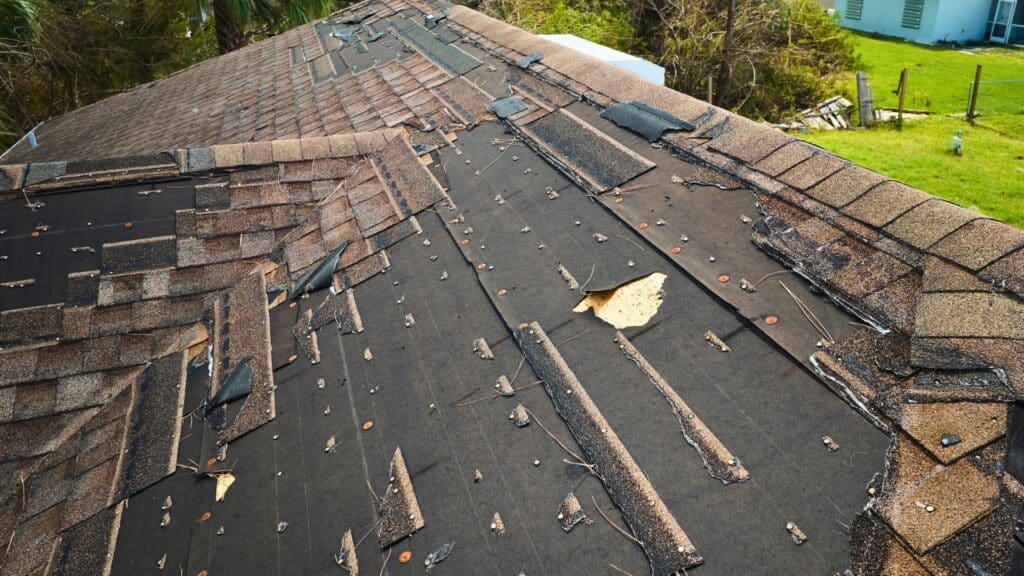
Missing shingles after a windstorm and shingles that have gradually deteriorated after years in the Charleston sun may look like the same problem when you’re standing in the yard. But from an insurance standpoint, the cause of that damage makes all the difference.
How Will a Covered Loss Be Paid?
Just because something is marked as covered on your policy doesn’t mean you won’t have any out-of-pocket costs. Your deductible will tell you how much of a covered loss you’re responsible for, and some South Carolina policies even have separate wind or hail deductibles.
While you’re at it, check whether your roof has replacement cost or actual cash value coverage.
Replacement cost coverage generally pays based on the cost to repair or replace covered damage, subject to policy terms. Actual cash value accounts for depreciation, which can make a considerable difference and reduce the amount you’ll receive, particularly if your roof is old.

Common Reasons Roof Insurance Claims Get Denied
Seeing “denied” on your claim doesn’t necessarily tell you much about why the insurance company reached that decision. Denials can be caused by a variety of things, but most roof claim denials come back to a handful of issues.
The Damage Isn’t Covered by Your Policy
Just because your roof has been damaged doesn’t mean that kind of damage is covered by your homeowners insurance policy. If your insurer determines the roof’s current condition is due to any of the following things, your claim might be denied:
- Normal Wear and Tear: Even long-lasting roofing materials have a finite lifespan, and they’re expected to wear out as they age.
- Poor Maintenance: Existing leaks, neglected repairs, and similar maintenance problems may affect whether the damage is covered.
- An Excluded Cause of Loss: Your policy may exclude coverage for a specific type of event or require a separate policy for it.
This is where the distinction between storm damage — which may be covered — and an old roof that happened to start leaking during a storm — which is generally not covered — becomes especially important.
There’s a Disagreement About What Caused the Damage
Sometimes, you and the insurance company might look at the exact same roof and reach different conclusions regarding the way your coverage applies.
You might notice missing shingles or a new leak shortly after a Charleston storm and assume the weather caused it. The insurance adjuster might determine that the damage developed gradually or was already present.
Since coverage hinges heavily on the cause of the loss, that disagreement can lead to a denied claim.
This is part of the reason it’s often wise to have your roof inspected by a professional, who can help identify the cause of the damage before even getting your insurance company involved.
The Roof’s Age or Condition Affects Its Coverage
An older roof isn’t automatically an uninsured roof. But its age and condition can change the coverage available under your particular policy.
Sometimes, when a roof gets older, insurers switch its coverage from replacement cost to actual cash value. A roof in poor condition may even lose coverage altogether.
That makes it worth checking for roof-specific endorsements or changes to your policy, especially if you’ve had the same home insurance for several years.
Something Went Wrong During the Claims Process
The reason for a denial isn’t always the roof itself. Insurance policies include conditions the policyholder is expected to follow after a loss.
Those conditions might include filing proof of loss, protecting the property against additional damage, and cooperating with the insurer’s investigation. If you don’t meet those policy conditions, your claim could be denied.
Timing can also play in here. Your policy may have a specific timeline within which you have to report the claim. So, because of that, it’s best to report storm damage promptly and hang onto photos and receipts related to the loss.
The Role of Professional Roof Inspections in a Denied Claim
An insurance adjuster and a roofer look at your roof for different reasons.
The adjuster is there to evaluate the claim based on your policy and the insurer’s investigation. A roofing contractor is looking at the roof itself, trying to determine what’s been damaged, what might’ve caused it, and what it’ll take to get it back in good working order.
That second set of eyes can be useful if you have questions about the insurer’s assessment. During a professional roof inspection, your roofer may be able to:
- Document visible damage. Photos and written findings create a record of missing or damaged shingles, lifted materials, flashing problems, leaks, and other issues found during the inspection.
- Look for signs of storm damage. A roofer can evaluate the condition of your roofing system and identify physical damage that might be consistent with wind, hail, or another recent weather event.
- Spot older problems. Not everything on the roof necessarily came from the same storm. An inspection might uncover existing deterioration, previous repairs, installation problems, or something else that helps explain what’s going on.
- Identify the work your roof needs. If repairs or replacement are necessary, a contractor can document the scope of the roofing work needed and provide an estimate for the associated costs.
A roof inspection won’t determine what your insurance policy covers or guarantee that the insurer will reverse its decision. What it can give you is a clearer picture of your roof’s actual condition.

If the inspection turns up damage or details that weren’t considered during the original claim, you’ll have something concrete to bring back to your insurance company.
What to Do After Your Claim Is Denied
A denial letter can feel pretty final. But it doesn’t necessarily mean that the conversation with your insurance company is over.
Here are some of the things you can do after receiving a denial letter:
- Read the denial letter carefully. Look for the specific reason the insurer gives for denying the claim and any policy language referenced in the letter.
- Review your policy. Compare the explanation in the denial with your declarations page, coverage provisions, exclusions, and any endorsements that apply to your roof.
- Ask questions if something doesn’t add up. Contact your insurance company or agent and politely ask them to explain the decision and the policy language behind it.
- Gather documentation. Photos from before and after the storm, inspection findings, repair estimates, receipts, and other records you have can help fill in the picture.
- Ask about having the decision reviewed. If you have information the insurer didn’t have the first time around, ask what options they provide for reviewing the claim.
- Know where to turn if you still have concerns. The South Carolina Department of Insurance accepts consumer complaints and can contact an insurance company on a policyholder’s behalf to request an explanation or response. The department can’t determine the value of a claim or act as a policyholder’s attorney, though.
When a Roof Claim Denial May Be Valid
Sometimes, the insurance company may have a legitimate reason for denying a roof claim. One of the clearest examples is a roof that has simply reached the point where age and deterioration are causing problems.
Homeowners insurance is designed to cover certain sudden losses, not the gradual aging of roofing materials.
Say your shingles have been on their way out for years and water finally starts sneaking through during a rainstorm. The timing of the leak doesn’t necessarily mean the storm caused the underlying roof damage.
If an inspection shows that deterioration rather than a covered event caused the problem, the insurer may have grounds to deny the claim.
That’s another reason an inspection can be helpful after a denial. You might find evidence that supports taking another look at the claim, or you may learn that the roof needs work that will fall to you to pay for. Either way, you have a better idea of what you’re dealing with.
Roof Insurance Claim Denials: FAQ
If you’ve recently gotten a denial letter, you’ve probably got quite a few questions. Here are answers to a few of the most common questions we often get about roof insurance claim denials.
How much does it cost to repair a roof if insurance won’t cover it?
Homeowners in South Carolina usually pay between $400 and $1,400 for roof repairs, though that’s highly dependent on what kind of damage you’re dealing with. Costs can be as low as $150 or as high as $8,000 or more in some cases.
Can I appeal a denied roof insurance claim?
Yes, you can usually ask your insurer to reconsider a denied claim. Start by checking the denial letter for instructions and asking your insurer what process it uses to review disputed claims or consider additional information.
Can insurance deny a roof claim because the roof is old?
Roof age can affect your coverage, but an older roof isn’t automatically grounds for denying every claim. Your insurer might change an aging roof from replacement cost to actual cash value coverage, and a roof in poor condition may eventually lose roof coverage altogether.
Will homeowners insurance cover a leaking roof?
Coverage typically depends on what caused the leak. A leak that develops after a covered event may be treated differently than one caused by years of deterioration or poor maintenance. Check your policy and the insurer’s assessment of the damage to see how your particular loss is being handled.
What happens if my roof repair costs less than my deductible?
If a covered roof repair costs less than your applicable deductible, you generally won’t get an insurance payout for that loss. That’s different from your insurer determining that the damage itself isn’t covered.
Check your policy carefully, especially since wind and hail damage may be subject to a separate deductible.
Will filing another roof claim raise my insurance rates?
There isn’t a universal answer to this question. Insurance companies use their own approved rating rules, and various factors can affect what you pay. Generally, filing another claim shouldn’t be treated as an automatic guarantee that your individual premium will increase.
How long do I have to file a roof insurance claim in South Carolina?
That depends on your insurance policy. Don’t assume there’s one deadline that applies to every South Carolina roof claim. Your policy contains requirements for reporting a loss, so check those terms and notify your insurer as soon as you discover it.
If you’re not sure about a deadline, ask your insurer.
Willow Ash Roofing: Helping Charleston Homeowners Navigate Denied Roof Claims
A denied insurance claim doesn’t make the roof damage disappear. If you’re still dealing with missing shingles, a leak, or other concerns about your roof, Willow Ash Roofing can take a look and help you figure out what condition it’s actually in.
We’ll inspect your roof and explain what we find so you can decide what you’d like to do next. If you’re dealing with storm damage, we can also document what we see so you have a clear record of the roof’s condition.

Still have questions about your roof after an insurance denial? Contact Willow Ash Roofing to schedule an inspection in the Charleston area.
Sources & References
- Angi – “How Much Does Roof Repair Cost?”
Provides current roof repair cost data, including average prices, typical ranges, and factors that affect repair costs.
https://www.angi.com/articles/how-much-do-roof-repairs-cost.htm - National Association of Insurance Commissioners – “Rebuilding After a Storm: Know the Difference Between Replacement Cost and Actual Cash Value When It Comes to Your Roof”
Explains the difference between replacement cost and actual cash value and how each can affect the amount an insurer pays after covered roof damage.
https://content.naic.org/article/rebuilding-after-storm-know-difference-between-replacement-cost-and-actual-cash-value-when-it-comes - South Carolina Department of Insurance – “Consumers”
Provides information about consumer assistance, insurance complaints, and how the department can help South Carolina policyholders with insurance concerns.
https://doi.sc.gov/8/Consumers - South Carolina Department of Insurance – “Understanding Basic Homeowners Insurance”
Explains homeowners insurance coverage in South Carolina, including covered causes of loss, exclusions, deductibles, and routine wear and tear.
https://doi.sc.gov/963/Understanding-Basic-Homeowners-Insurance