Skip to content
The hurricane has moved along, but the mess it left behind hasn’t.
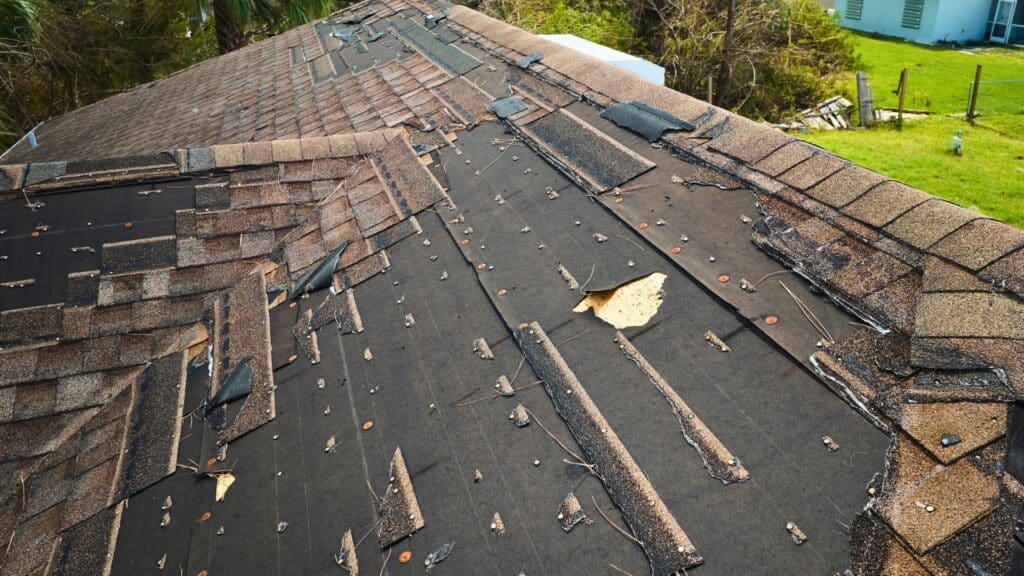
You’ve got shingles in the yard, a questionable water spot on the ceiling, and a section of the roof that has clearly seen better days. You’ve already called your insurance company and opened a claim. Now you’re waiting to find out what they’re actually going to do about it.
That wait can come with a lot of questions. How soon will an adjuster come out? Can you tarp the roof in the meantime? When does a roofer get involved? And once the insurance company sends an estimate, how do you get to the point where they actually repair the damage?
There’s a process to a hurricane roof claim in South Carolina, and knowing what comes next can save you a few surprises along the way.
Step 1: Protect Your Roof While You Wait for the Adjuster
If rain is getting through your roof, you don’t have to live with a bucket parked under the leaky spot until the insurance adjuster arrives. You can take reasonable steps to prevent further damage, which might mean having the problem area tarped or making a temporary repair.
Before anything gets covered up, though, grab photos or videos of the damage. If you can’t safely do so, have your roofer do it before they complete the temporary repair.
The South Carolina Department of Insurance recommends hanging onto records and receipts for any temporary repairs you have to make in case you need to submit them to your insurance company.
And for now, keep the repairs temporary. You want the adjuster to have a chance to see the hurricane damage before permanent work changes what’s there.

Step 2: Prepare for the Insurance Adjuster’s Inspection
After you report the damage, your insurance company will likely assign an adjuster to inspect your home. This is their chance to get a firsthand look at the roof and document what the hurricane damaged.
Have any photos, videos, and receipts you’ve collected ready to share. If you’ve already had the roof inspected by a contractor, keep their photos and estimate handy, too.
The adjuster will look over the reported damage and gather the information the insurance company needs to evaluate your claim.
Step 3: Review the Insurance Estimate and Coverage Decision
After the inspection, your insurance company will review the adjuster’s findings and decide what damage is covered under your policy. You’ll typically receive an estimate that lays out the work the insurer believes is needed and what it expects that work to cost.
Give that estimate a close look before roof work begins. Compare it with what your roofer found during their inspection and pay close attention to the actual scope of the work, not only the dollar amount at the bottom. The two estimates may not account for exactly the same damage.
If your roofer finds hurricane damage that wasn’t included, document it and let your adjuster know.
Step 4: Understand Your Deductible and Claim Payment
Getting an estimate from your insurance company doesn’t necessarily mean that’s the amount you’ll have available for the roof. Your deductible comes out of the claim, and your policy may affect how and when the rest of the money is paid.
You might have a separate deductible for hurricane or wind and hail damage. Those deductibles can be percentage-based, which can make them noticeably larger than the flat-dollar deductible you’re used to seeing on your policy.
Check your declarations page or ask your insurer which deductible applies to your claim and exactly how much you’re responsible for paying.
Don’t be surprised if your first insurance check doesn’t match the full cost of the approved work, either. Sometimes, insurers issue an advance rather than a final settlement, and some policies pay replacement cost in stages.
Your mortgage company might be listed on the check, too. In that case, you’ll typically need to work with the lender to have the funds released for the roof work.
Keep your estimates, invoices, and other paperwork together as the project moves along, since your insurer or mortgage company may need them before additional funds are released.
Step 5: Schedule Your Roof Repair or Replacement
Once you know what the insurance company is covering and you’ve chosen a roofer, you can start getting the actual work on the calendar. Depending on the damage, that could mean repairing a smaller section of the roof or replacing it altogether.
Keep the claim paperwork close by once work starts. Sometimes damage that wasn’t visible during the initial inspection shows up after shingles or other roofing materials come off.
If that happens, take pictures and reach out to your adjuster before going forward with the extra work. That way, your insurer can review and approve it before anything goes beyond the original scope.
Once the job is finished, hang onto the final invoice, photos, and any other paperwork you get from your roofer. Your insurance company may need that documentation to finish up the claims process or release any remaining payment.

What If the Insurance Estimate Doesn’t Match the Roofer’s Estimate?
Seeing two different numbers can be frustrating, but it doesn’t necessarily mean you’re out of options. Your roofer and insurance adjuster may have included different materials, quantities, or repairs in their estimates, so the first thing to do is to figure out where they differ.
Your roofer can document damage or work they think was left out with photos, measurements, and an itemized estimate. You can then send those details to your adjuster and ask them to take another look.
If additional hurricane damage turns up after work starts, document that, too, and contact your insurer before you greenlight repairs that aren’t in the approved work.
If you’re concerned about how your insurer is handling the claim, you can contact the South Carolina Department of Insurance’s Office of Consumer Services. They can answer insurance questions and assist with complaints, but they can’t determine the value of a claim or require your insurer to pay a particular amount.
Frequently Asked Questions
Insurance claims come with plenty of paperwork and, usually, a few questions you didn’t know you had until you were in the middle of one. Here are a few questions we often get from South Carolina homeowners working through a roof claim.
Can I repair my roof before the insurance adjuster comes?
You can make temporary repairs, such as tarping a damaged area, to keep things from getting worse. It’s best not to start permanent repairs, though, until after the adjuster comes out and you move through the claims process, so they can get a good look at the initial damage.
Should my roofer be there when the adjuster comes?
It can be helpful. Your roofer and the insurance adjuster have different jobs, and having both sets of eyes on the roof can make it easier to document what needs attention.
How long does a hurricane roof claim take in South Carolina?
There’s no set timeline. The extent of the damage, questions about coverage, additional inspections, and the number of claims filed after the hurricane can affect how long yours takes. After a major storm, the most severely damaged and uninhabitable homes might get prioritized.
Do I have to use the roofing company my insurer recommends?
Nope. You can choose the roofing contractor you want to work on your home. Just make sure to check their credentials, insurance, reviews, and local storm-damage experience before signing a contract.
Will insurance pay for an entire roof replacement?
That depends on your policy, the cause and extent of the covered damage, and your deductible. And even if a full roof replacement is approved, you’ll generally still be responsible for the deductible and any work your policy doesn’t cover.
What happens if my hurricane roof claim is denied?
Ask your insurer why the claim was denied and review the explanation against your policy and storm-damage documentation. If you’re concerned about how the claim was handled, you can also contact the South Carolina Department of Insurance’s Office of Consumer Services.
How much does it cost to replace a hurricane-damaged roof?
Replacing a storm-damaged roof typically costs between $5,900 and $13,400, with the average sitting at around $9,600. That number can fluctuate a bit based on the specifics of your project, such as the size of your roof and the material you choose.
Get Your Roof Back in Shape with Willow Ash Roofing
Once the storm is gone, you want to know how bad the damage is and what your roof needs next. We can inspect your roof and help you figure out the best way to get it repaired.
Willow Ash Roofing has served South Carolina homeowners since 2002, and we know our way around storm-damaged roofs and insurance claims. If you’ve already filed a claim and need someone to take it from here on the roofing side, give us a call to schedule an inspection.

Sources & References
- Angi – “How Much Does Roof Replacement Cost?”
Provides national roof replacement cost estimates and explains how factors such as roof size, materials, labor, and project complexity can affect the final price.
https://www.angi.com/articles/how-much-does-roof-replacement-cost.htm - South Carolina Department of Insurance – “Consumers”
Explains how the Office of Consumer Services assists South Carolina insurance consumers with questions and complaints, including concerns related to insurance claims.
https://www.doi.sc.gov/8/Consumers - South Carolina Department of Insurance – “Post-Disaster Claims Guide”
Provides guidance for homeowners navigating an insurance claim after a disaster, including documenting damage, working with adjusters and contractors, making temporary repairs, and reporting additional damage.
https://doi.sc.gov/DocumentCenter/View/14784/SCDOI-publication-post-disaster-claims-guide - South Carolina Department of Insurance – “Understanding the Claim Payout Process”
Explains how insurance claim payments may be issued after a loss, including initial payments, additional payments, and situations where a mortgage company may be included on the check.
https://www.doi.sc.gov/953/Understanding-the-Claim-Payout-Process - South Carolina Department of Insurance – “Hurricane Helene Response and Recovery”
Offers post-storm guidance for South Carolina homeowners, including documenting property damage, making temporary repairs, saving receipts, and working through the insurance claims process.
https://www.doi.sc.gov/1040/Helene-Response-and-Recovery