Skip to content
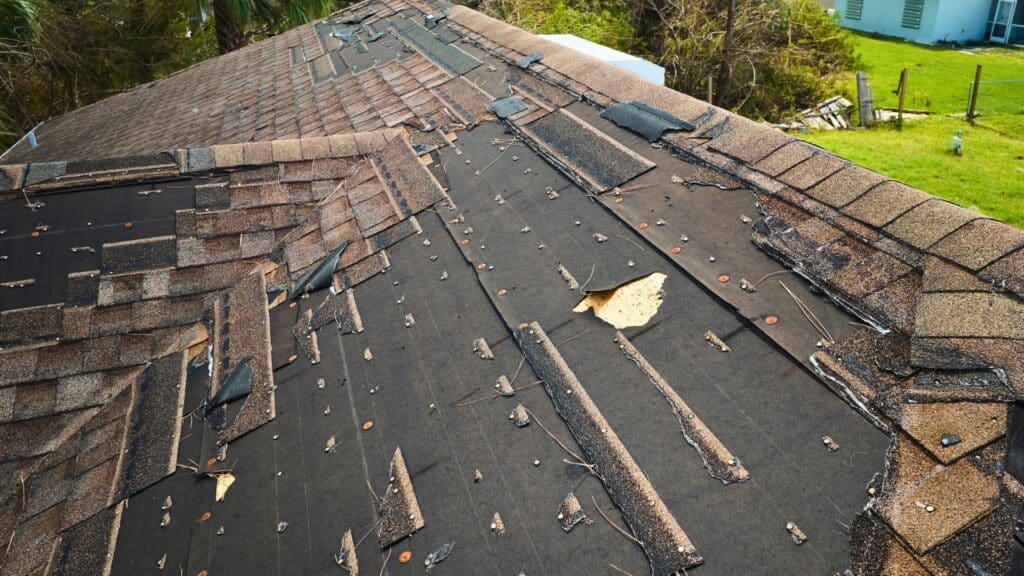
A hailstorm just whistled through, and now you’re peering at your roof, wondering how well those shingles held up. Maybe everything looks peachy from the ground. Maybe you’ve spotted a few questionable marks.
Either way, it might get you wondering whether your roof should be prepared to take a little more punishment.
Impact-resistant shingles fit that bill perfectly, as they are designed to offer a little more protection when hail or debris hits the roof. But that extra durability comes at a cost, which raises the question: Are impact-resistant shingles actually worth the extra money?
For many homeowners, the answer is yes.
It’s not automatically a great choice for every roof, though. Your local weather, the cost of the upgrade, potential insurance savings, and the level of protection you want for your home are all things to think about.
What Are Impact-Resistant Shingles?

Impact-resistant shingles are exactly what they sound like: asphalt shingles designed to better withstand hits from hail, branches, and other debris that may relocate itself onto your roof during a storm. They typically use reinforced materials or modified asphalt to help the shingle absorb an impact without cracking or splitting.
When comparing impact resistant shingles, you’ll often see them described by their UL 2218 impact rating.
During this testing, steel balls of different sizes are dropped onto roofing materials to mimic a hailstorm. The shingles are then rated from Class 1 to Class 4 based on how they do, with Class 4 representing the highest impact-resistance rating under the standard.
That rating doesn’t make a Class 4 roof invincible, though. A particularly nasty storm can still damage impact-resistant shingles, and the rating doesn’t tell you how well a roof will handle high winds.
What it does tell you is that the shingles have been tested to withstand a greater level of impact than products with a lower rating.
What Are the Benefits of Impact-Resistant Shingles?
The biggest advantage of impact-resistant shingles is pretty simple: They’re harder to damage. That extra toughness can come in handy in Charleston, where a strong storm can send all kinds of debris hurtling for your roof.
But they also offer a few other perks, including:
- Fewer Damaged Shingles After Storms: Hail and flying debris can crack, split, or otherwise damage asphalt shingles. Impact-resistant shingles are designed to handle those blows better, potentially leaving you with fewer shingles to repair or replace.
- Less Opportunity for Water to Get In: Cracks and other impact damage can limit your roof’s ability to shed water. Keeping damage to a minimum helps your roof remain effective and do what it’s there to do.
- A Better Chance of Getting the Full Life Out of Your Roof: A roof can still have years of useful life left when a severe storm causes enough damage to warrant a replacement. Greater impact resistance may reduce the chance of damage cutting that service life short.
- Possible Homeowners’ Insurance Savings: Some insurers offer discounts for impact-resistant roofing materials. Those savings and eligibility can vary by carrier, so check with your insurer before you count on a lower premium.
How Much Do Impact-Resistant Shingles Cost?
Impact-resistant shingles typically cost about 10% to 20% more than standard asphalt shingles. So, if a standard asphalt roof replacement costs $15,000, upgrading to impact-resistant shingles could add roughly $1,500 to $3,000 to the job, bringing your total to about $16,500 to $18,000.
That’s only an example, of course. Your actual price will depend on the factors specific to your roof, including:
- Roof Size: The bigger your roof, the more impact-resistant shingles you’ll need, so even a modest difference in material price can add up.
- Roof Pitch and Complexity: Steep slopes, dormers, valleys, and complicated rooflines take more time and labor to complete.
- Shingle Selection: You have a few impact-resistant shingle styles, product lines, and price points to choose from, so the one you pick can make a noticeable difference.
- Existing Roof Condition: If tear-off uncovers damaged decking or other problems that need to be repaired, that’ll add to the roof replacement cost.
Paying that extra 10% to 20% upfront may make sense if the shingles help you avoid a costly storm repair or premature roof replacement later. Plus, if your insurance provider offers discounts for impact-resistant shingles, that could help offset some of that additional cost, too.
Are Impact-Resistant Shingles Worth the Extra Cost?

There’s no universal yes-or-no answer to this question. That extra 10% to 20% is easier to swallow for some homeowners than others. A few details about your home and budget can help you decide which category you fit into.
| Impact-resistant shingles might be worth it if… | The upgrade may be harder to justify if… |
| Your roof is exposed to hail, falling branches, or wind-blown debris | Impact damage isn’t a major concern for your property |
| Your roof has suffered impact damage during previous storms | The added 10% to 20% would stretch your roofing budget |
| You have mature trees or large branches near the roof | Your budget would be better spent on higher wind resistance or another roofing improvement |
| Your insurance offers a decent discount for qualifying shingles | Your insurer offers little or no financial incentive |
| You plan to stay in your home long enough to benefit from the added protection | You’re unlikely to own the roof long enough to see much long-term benefit |
For Charleston homeowners, impact resistance is only part of the equation. A Class 4 rating tells you how a shingle performed against impacts, not how well it handles high winds.
Wind ratings and proper installation matter, too, so the best roofing material for your home may not come down to impact resistance alone.
Frequently Asked Questions
If you’re considering impact-resistant shingles for your home, chances are you’ve got a few questions beyond what they cost. These are some of the ones we hear most often.
Do impact-resistant shingles prevent all hail damage?
Nope. No roofing material is completely immune to hail damage. Impact-resistant shingles are designed and tested to withstand harder hits, but that doesn’t mean particularly large hail or a severe storm can’t leave its mark.
Do impact-resistant shingles last longer than regular shingles?
Not necessarily. Impact resistance can help protect shingles from damage that might otherwise shorten the life of the roof, but overall lifespan depends on the product, installation quality, weather exposure, ventilation, and maintenance.
Can impact-resistant shingles lower homeowners’ insurance premiums?
Possibly. Some insurance companies offer discounts for qualifying impact-resistant roofing, but the amount and eligibility requirements vary. Be sure to check with your insurer first before assuming an impact-resistant roof will lower your premium.
Are impact-resistant shingles good for hurricanes?
They can provide added protection against debris that strikes the roof during a storm, but impact resistance and wind resistance are two different things. For a Charleston home, you’ll want to consider both the shingle’s wind rating and the impact rating.
How can I tell if my shingles are impact-resistant?
Check the manufacturer and product information for an impact-resistance classification, such as a UL 2218 rating. If you don’t know what shingles are currently on your roof, we can take a look and help you figure out what you may have.
Are Class 4 shingles worth it in Charleston, SC?
Class 4 is the highest impact-resistance classification under UL 2218, so these shingles may make sense if impact protection is a top priority for your home. Their value still depends on the additional cost, your exposure to hail and debris, and any insurance savings available to you.
Can impact-resistant shingles be damaged by tree branches?
Yep. Impact-resistant shingles are better equipped to withstand strikes from small branches and other debris, but they aren’t damage-proof. A large or heavy limb can still do a number on your roof.
Find the Right Shingles for Your Charleston Home
Impact-resistant shingles can be a smart upgrade, but you shouldn’t have to figure out the answer by reading the side of a shingle package. A roofer who knows Charleston can help you weigh the added cost against the protection you’re actually likely to need.

Willow Ash Roofing can inspect your roof and give you a straightforward recommendation for your home. If a roof replacement is on the horizon, give us a call to schedule an inspection and get an estimate.
Sources & References
- GAF – “Class 4 Impact-Resistant Shingles Explained: Testing, Benefits, and ROI”
Explains how Class 4 impact-resistant shingles are tested, what the rating means, and how these shingles may help reduce storm damage. The resource also discusses potential financial considerations, including insurance savings and the added upfront cost of impact-resistant products.
https://www.gaf.com/en-us/blog/your-home/class-4-impact-resistant-shingles-explained-testing-benefits-and-roi-31f8ff3b-aafb-4b57-a870-636750ea6be5 - Pacific Northwest National Laboratory – “Asphalt Shingle Roofs”
Provides guidance on asphalt shingle roof installation and performance, with particular attention to high-wind and severe-weather conditions. The resource covers roof deck preparation, underlayment, flashing, fastening, and other installation details that affect how well a roofing system performs.
https://basc.pnnl.gov/resource-guides/asphalt-shingle-roofs - UL Solutions – “UL Solutions, IBHS Drive Trust in Residential Roofing Shingles”
Discusses UL Solutions and the Insurance Institute for Business & Home Safety’s work to improve testing and performance standards for residential roofing shingles. The resource provides context on impact testing, real-world roof performance, and efforts to give homeowners better information when comparing roofing products.
https://www.ul.com/news/ul-solutions-ibhs-drive-trust-residential-roofing-shingles