
To ensure a new roof performs as well as you’d like, it’s important to choose a roof material that works well in your geographic area.
For example, a roof that works well in Arizona may not be the best fit for a home along Charleston’s coast. In fact, the material you choose will affect everything from how often it needs repairs to how well it puts up with wind and moisture.
To help you select the best roofing material for your Charleston home, we’ll lay out some of the best options and explain everything else you need to know below.
What Makes Charleston’s Coastal Climate Hard on Roofs?
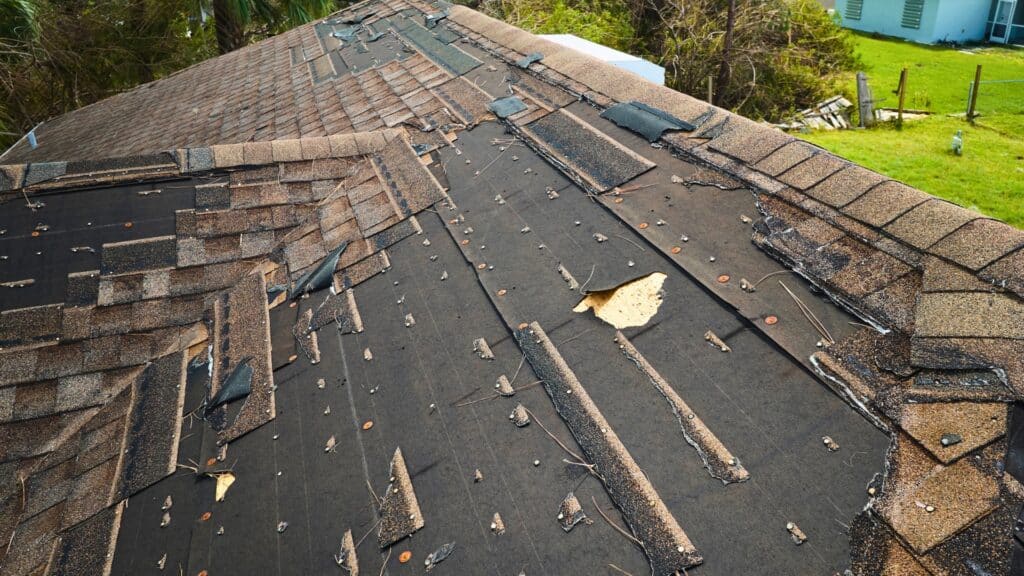
Roofs in Charleston don’t get days off. The Greater North Charleston area gets more than 50 inches of rain annually on average, alongside roughly 230 sunny days.
That mix of heat, moisture, and UV exposure gradually wears down roofing materials. And when you add salt air and the threat of tropical storms to the mix, it becomes clear that your choice of roofing material is very important.
Some of the conditions that impact Charleston roofs the most include:
- Salt Air: Salt particles carried inland can speed up corrosion on flashing, fasteners, vents, and other exposed metal components. While homes right on the coast tend to be most affected, elevated corrosion rates have been found as far as 10 miles inland.
- High Humidity and Rainfall: Frequent moisture creates favorable conditions for algae, mildew, and moisture-related problems, especially on shaded roof sections or homes with poor attic ventilation.
- Hurricanes and Tropical Storms: South Carolina has experienced at least one tropical cyclone in 42 of the last 50 years. Because of that, wind and storm resistance are another important consideration for roofs.
- Sun and Heat: Daily UV exposure and repeated heating and cooling cause roofing materials to expand and contract over time, contributing to gradual wear.
Comparing the Best Roofing Materials for Coastal Homes
There’s no single roofing material that is the perfect fit for every Charleston home. Some homeowners want the lowest upfront cost, while others are willing to spend more for a roof that lasts longer or requires less maintenance.
Here’s a quick look at how these materials stack up:
| Material | Lifespan | Cost | Wind Resistance | Maintenance | Best For |
| Architectural asphalt | 25 to 30 years | $$ | Very good | Low to moderate | Homeowners looking for an affordable, versatile roofing option. |
| Metal | 40 to 70 years | $$$$ | Excellent | Low | Long-term durability and superior weather resistance. |
| Clay tile | 50 to 100 years | $$$$ | Excellent | Low | High-end homes and classic coastal architecture |
| Concrete tile | 40 to 50 years | $$$ | Very good | Low | Homeowners who want durability with a traditional appearance. |
| Synthetic slate/shake | 40 to 50 years | $$$ | Excellent | Low | Premium aesthetics without the weight of natural materials. |
Asphalt Shingles
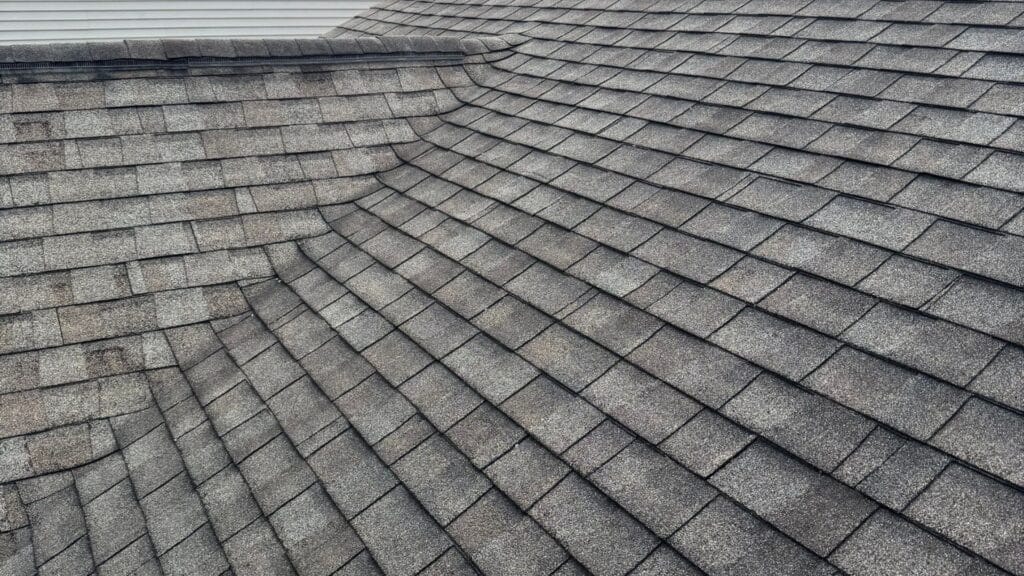
If you’re replacing your roof, there’s a good chance architectural asphalt shingles will be one of the first recommendations that pops up in a search. They’re the most common roofing material in the Charleston area because they offer a practical balance of cost, appearance, and durability.
For many homeowners, they check all of the right boxes without stretching your budget to the breaking point.
Modern architectural shingles are a noticeable upgrade from the older three-tab shingles that were formerly the default choice. Many include algae-resistant technology to help reduce black streaking in humid climates, and some carry wind ratings of up to 130 miles per hour.
The Benefits of Asphalt Shingles:
- Lower upfront cost than metal, tile, and other premium roofing materials
- Available in a wide range of colors and styles
- Repairs are typically straightforward and less expensive than many alternatives
- Works well with most home styles, from traditional to contemporary
The Drawbacks of Asphalt Shingles:
- Typically won’t last as long as metal or tile roofing
- Algae staining can still happen with time, especially on shaded roof slopes
- May need replacement sooner than premium materials in Charleston’s coastal climate
Bottom Line: Asphalt shingles tend to be ideal for homeowners who want a dependable, attractive roof at a more affordable price point.
Metal Roofing
Metal roofs have become a familiar sight in coastal South Carolina, and for a good reason. They hold up well against high winds, shed water efficiently, and, when made from corrosion-resistant materials like aluminum or coated steel, perform exceptionally well in coastal climates.
The higher upfront cost gives some homeowners pause, but a metal roof can last decades longer than asphalt shingles with relatively little maintenance. If you’re planning to stay put, that long lifespan can make the investment easier to justify.
The Benefits of Metal Roofs:
- Excellent resistance to high winds and wind-driven rain
- Long lifespan, often 40 to 70 years or more
- Won’t rot or support algae growth the same way some roofing materials can
- Reflects solar heat, which may help improve energy efficiency
The Drawbacks of Metal Roofs:
- Higher upfront cost than asphalt shingles
- Repairs generally require a contractor who knows their way around metal roofing systems
- Proper installation is especially important to make sure the system works properly
Bottom Line: Metal roofs are often well-suited for homeowners looking for a long-lasting, low-maintenance roof that does well in Charleston’s coastal climate.
Wood Shake
Wood shake roofs have a natural charm that’s hard to replicate. Their textured appearance pairs well with traditional and coastal-style homes, and many homeowners appreciate the distinct character they develop over time.
That said, Charleston’s humid climate can make them a higher-maintenance choice than other roofing materials. They can do well here, but regular upkeep is important to help prevent moisture-related issues, algae growth, and premature deterioration.
The Benefits of Wood Shake Roofs:
- Distinctive, natural appearance
- Good insulation properties
- Can last for decades with proper maintenance
- Adds warmth and character to many architectural styles
The Drawbacks of Wood Shake Roofs:
- Requires more maintenance than most other roofing materials
- More susceptible to moisture, algae, and mold in humid climates
- Typically has a shorter lifespan in coastal environments than metal or tile
Bottom Line: Wood shake roofs work well for homeowners who value natural aesthetics and are comfortable with the maintenance that comes with a wood roof.
Clay and Concrete Tile
Clay and concrete tile roofs have been protecting coastal homes for generations. Both materials stand up well to heat, humidity, and salt air, making them a great option for homeowners who want a roof that can keep up with the coastal climate.
But they do present a challenge, namely, their weight — these are heavy roofing materials, and some homes will need structural reinforcement before installation. Their higher upfront cost can also be a factor homeowners will need to consider.
The Benefits of Clay and Concrete Tile Roofs:
- Excellent durability and long service life
- Performs well in Charleston’s climate
- Resistant to rot and insect damage
- Distinctive appearance that enhances curb appeal
The Drawbacks of Clay and Concrete Tile Roofs:
- Higher upfront cost than asphalt shingles
- Heavier than other roofing materials and may require structural upgrades
- Individual tiles can crack if struck by heavy debris
Bottom Line: Clay and concrete tiles usually work best for homeowners looking for a premium roof with excellent longevity and timeless curb appeal.

Synthetic Slate and Shake Roofing
Synthetic roofing materials are designed to mimic the look of slate, cedar shake, or other high-end roofing products. But since they’re made from synthetic materials, they don’t come with the typical drawbacks of natural materials.
The engineered composition typically makes them lighter, highly durable, and able to withstand the elements with minimal maintenance.
The Benefits of Synthetic Slate and Shake Roofs::
- Replicates the look of slate, cedar shake, and other premium materials
- Lightweight compared to many natural roofing products
- Resists moisture, rot, and insect damage
- Available in a wide range of colors and styles
The Drawbacks of Synthetic Slate and Shake Roofs::
- Higher upfront cost than asphalt shingles
- Performance and appearance can vary by manufacturer
- Professional installation is recommended to maximize lifespan
Bottom Line: Synthetic slate and shake roofs are great for homeowners who want the appearance of premium roofing materials with less maintenance and fewer structural considerations.
How to Choose the Right Roofing Material
What’s perfect for your neighbors might not be a good fit for your home. Before making a decision, ask yourself:
- Am I looking for the lowest upfront cost, or the best long-term value?
- How long do I expect to stay in this home?
- How much maintenance am I comfortable with?
- Which roofing material best complements my home’s style?
- Does my home have any structural limitations that could affect my options?
Once you’ve answered those questions, you’ll probably have a much better idea of which roofing materials might check your boxes.
Frequently Asked Questions
If it’s time for a new roof, you probably have lots of questions. Here are answers to a few of the questions we get the most.
Which roofing material lasts the longest?
Clay, concrete tile, and standing seam metal tend to be the roofing materials that last the longest. Depending on how the product and how well the roof is maintained, these materials can protect your home for 40 to 70 years or even longer.
Is a metal roof worth the extra cost in Charleston?
It can be, especially if you plan to stay in your home for many years. Metal roofs generally last much longer than asphalt shingles, require relatively little maintenance, and perform well in Charleston’s coastal climate.
What roofing material is best for homes near the coast?
There’s no single answer because every home is different. Metal roofing, clay tile, concrete tile, premium asphalt shingles, and various synthetic roofing products can do great on homes near the coast when they’re installed correctly.
The best fit for your home will depend on your budget, maintenance preferences, and home style.
Does salt air damage roofs?
Unfortunately, yes. Salt air can speed up corrosion on exposed metal components like flashing, fasteners, and vents. Because of that, coastal roofs benefit from regular inspections. Those allow you to catch little problems before they snowball into big ones.
Which roofing material requires the least maintenance?
Metal roofing tends to be one of the lowest-maintenance options available. It resists rot, insect damage, and algae growth, and it doesn’t require the same level of upkeep as wood shake. Clay, concrete tile, and many synthetic roofing materials are also pretty low maintenance.
Can any home support a tile roof?
Not necessarily. Clay and concrete tiles weigh considerably more than asphalt shingles or metal roofing, and some homes need structural reinforcement before they can support the extra weight. If your heart is set on tile, we can take a look at your roof to determine whether it can support the extra weight.
How much does a new roof cost in Charleston?
The average cost of a new roof is $9,600, though projects can range from $5,900 to $13,400, higher if you go with premium materials. In addition to material choice, the size of your home and the complexity of the installation will affect overall cost. Since every home is a little different, we recommend starting with a custom roof estimate to get a better idea of cost.

Get Help Selecting the Right Roof for Your Charleston Home
Choosing a new roof is a big investment, and the “best” material isn’t always the most expensive or the one with the longest lifespan. It’s the one that fits your home, your budget, and your plans for the future.
If you’re weighing your options, Willow Ash Roofing is here to help. We’ll take the time to evaluate your roof, answer your questions, and explain the pros and cons of each material. Whether you’re replacing an aging roof or recovering from storm damage, we’ll help you choose the right material.
Contact us today to schedule an inspection and get expert guidance on the best roofing material for your home.
Sources & References
- Angi – “How Much Does Roof Replacement Cost?”
Provides national roof replacement cost estimates by roofing material, along with factors that influence project pricing, including roof size, complexity, labor, and regional market conditions.
https://www.angi.com/articles/how-much-does-roof-replacement-cost.htm - City of North Charleston – “Weather and Climate”
Provides climate data for the Greater North Charleston area, including average annual rainfall, sunshine, humidity, and temperatures.
https://www.northcharleston.org/visitors/attractions_points_of_interest/weather_and_climate.php - PDH Online – “Distance from Ocean”
Explains how airborne salt affects corrosion rates at varying distances from the coastline, including research showing elevated corrosion can occur several miles inland.
https://mypdh.engineer/lessons/6-2-distance-from-ocean/ - South Carolina Department of Natural Resources – South Carolina Hurricanes: Executive Summary
Summarizes South Carolina’s hurricane history, storm frequency, and coastal risk using historical data and climatological research.
https://www.dnr.sc.gov/climate/sco/hurricanes/pdfs/SCHurricanesExecutiveSummary.pdf