Skip to content

South Carolina’s hurricane season runs from June through November, and considering Charleston ranks as one of the most vulnerable counties for hurricanes, preparation is key to keep you and your home safe.
We’ll try to help ensure you’re ready for the upcoming hurricane season by sharing some of the best ways to protect your roof and home exterior.
How Do Hurricanes Cause Roof Damage?
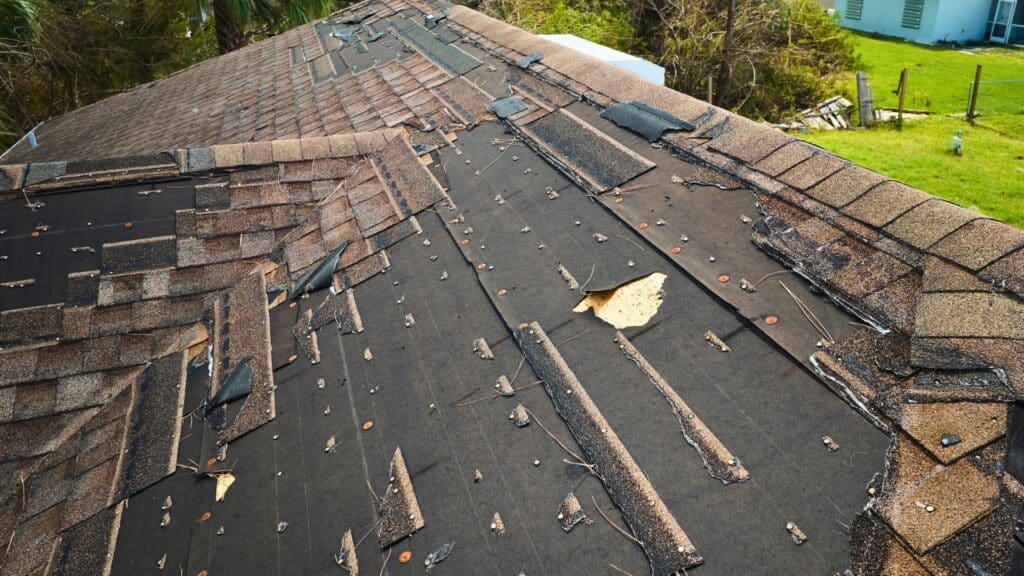
Hurricanes produce brutal, sustained winds in excess of 74 mph. These winds produce significant uplift forces that can rip tiles or shingles clean off in a matter of minutes — potentially seconds.
Once your structure is compromised and the underlayment is exposed, damage can quickly spread further.
However, it isn’t just the wind you need to be concerned about as a homeowner. Hurricanes also bring torrential rain with them. If this water manages to make its way through your roof and leak into your home, it can lead to water stains, structural problems, rot, and even dangerous mold growth.
In severe circumstances, the deadly combo of heavy rain and wind can result in sections of your roof collapsing entirely.

6 Key Steps for Protecting Your Charleston Roof from Hurricanes
Given the immense power of hurricanes and the level of destruction they can cause, the stakes are clear — take the steps needed to protect your roof or be ready to accept the consequences.
To give your roof the best chance of enduring Charleston’s next hurricane unscathed, follow the six tips outlined below.
1. Carry Out a Roof Inspection
Regular roof inspections can help you catch and address potential vulnerabilities before extreme weather hits. Ideally, you’ll have a trusted professional carry out the roof inspection, but you can investigate things yourself in the meantime.
Start with an Interior Review
Look around your home for signs of leaks, damp ceilings and walls, and water pooling on floors. Be sure to move your furniture, so you can check all the corners and crevices.
Assess Your Attic
Climb up in your attic and check for signs of dampness, mold, and water stains, particularly around roof penetration areas like the chimney and vents.
You should also switch off your attic’s lights to determine whether natural light is seeping through any areas in the roof. Gaps will need to be repaired urgently. If light can sneak through, water (and hurricane-force winds) can too.
Evaluate Your Roof
At this point, you’ll need to conduct an exterior inspection. But don’t climb up onto your roof to assess for damage yourself; leave this to a professional. A single misstep can cause you to fall and result in significant injuries.
Instead, look at your roof from a distance — ideally with a pair of binoculars if you have them on hand — for visible signs of damage. This could include things like missing tiles, debris buildup, dents in metal roofing, or a sagging or uneven roofline.
You should also check gutters for damage and debris, like shingles and granules. Roof debris is a clear indicator of wear and tear. Document any damage you find, and speak to a professional to arrange for appropriate repairs (and for further inspection).
2. Upgrade to Impact-Resistant Shingles
Usually reinforced with robust, rubber-like polymers, such as styrene-butadiene-styrene (SBS), impact-resistant shingles are specifically engineered to prevent things like hail damage. Many impact-resistant shingles also boast impressive wind ratings, with some being capable of withstanding winds of 130 mph (i.e., around the same as a category 4 hurricane).
Impact-resistant shingles can be more expensive to buy upfront, but the investment is usually worth it, as they can prevent costly repairs later down the line.
3. Install Hurricane Straps
As their name suggests, hurricane straps are designed to literally strap your roof to your house to help it withstand a hurricane’s uplift pressure. While many new builds in the region are constructed with hurricane straps, older homes, especially those from before the 2000s, may lack them.
The cost to install hurricane straps can vary on factors like your location, the structure of your home, and the specific hurricane straps you choose. However, the total cost (including labor) is usually in the $1,000 to $2,500 range.
4. Repair & Reinforce Flashing
Flashing is the thin, water-proof material that helps to direct water away from vulnerable points on the roof (think skylights and chimneys) and keep it out of your home. Flashing serves as a major line of defense against hurricanes, making it essential to repair loose flashing and replace any worn or corroded areas before a hurricane hits.
5. Upgrade to Metal Roofing
If you have an old roof that is approaching the end of its lifespan, or has signs of widespread deterioration (e.g., 20% of shingles are damaged), consider investing in a full roof replacement — specifically a standing seam metal roof.
Although no roof is entirely “hurricane-proof,” a standing seam metal roof is durable and much better equipped to hold up against a hurricane’s destructive forces than a traditional asphalt shingle roof is.
Metal roofs bring plenty of other perks, too. They tend to be more energy-efficient, require less maintenance, and typically have long life spans (up to 50 years). Just remember to account for Charleston’s salty air and not skimp on a protective, corrosion-resistant coating.
6. Protect Attic Vents
While vents are designed to permit air flow, hurricane-force winds can easily push water through these openings. Consider investing in hurricane-rated air vents or covering vent openings with panels prior to a hurricane.
If you choose to cover up your roof vents, make sure to remove the panels after the hurricane has passed. A lack of ventilation can deteriorate your roof at a rapid rate and turn your attic into the perfect home for mold and mildew.
Other Hurricane Readiness Home Measures
There are several other precautionary measures you can take to ensure safety and minimize damage to your home, including:
- Maintain gutters and downspouts: Clear leaves, twigs, and other debris from your gutters to prevent clogs and overflows, and check that they are secured to your house. You should also inspect gutters for cracks, sagging, or other concerns that may prevent them from performing efficiently.
- Skylights: Replace old, deteriorating skylights with hurricane/impact-resistant skylights. If a full replacement isn’t possible, consider protecting them with a robust skylight cover.
- Shield windows and doors: Windows and doors can easily shatter and allow dangerous wind and pressure to enter your home. Invest in hurricane shutters or consider upgrading to impact-resistant windows and doors.
- Trim overhanging tree branches: Tree branches can easily snap off during high winds and crash through your roof, rip off your gutters, or scratch your home’s siding.
- Remove or anchor garden furnishings: Patio chairs, grills, toys, and lawn tools can all be picked up by strong winds and cause significant impact damage. Bring them inside or secure them before a hurricane arrives.
Hurricane Readiness in Charleston FAQ
We’ll finish up by addressing some of the most common questions our customers have, but don’t hesitate to contact our team directly if you have other concerns that we haven’t covered here.
What should I do if my roof is damaged in a hurricane?
Once the hurricane has passed and it is safe to do so, assess your roof for damage using our inspection tips highlighted above. Take emergency measures to prevent future damage (e.g., patch up or cover exposed areas) and document your findings with several photos and thorough notes. Contact our team to discuss permanent repair options and for help making an insurance claim.
How often should I have roof inspections?
Generally, you should carry out a roof inspection at least twice a year, ideally in the spring and fall, with further checks after every hurricane or significant storm. Checking your roof regularly will allow you to address concerns before they become dangerous and trigger insurance premium spikes.
Does my insurance cover hurricane damage?
Generally yes. However, not all insurance policies protect against hurricane-related damage and flooding, so it’s important to read over your insurance details carefully.
How much does it cost to replace a roof in Charleston?
The exact cost to replace your roof can vary depending on the materials used, the structure and size of the roof, and the general cost of labor in your area. As a rough idea, the average cost of replacing a shingle roof in Charleston is typically around $6,000 to $20,000.
How do I make an insurance claim following a hurricane?
If you need to make a claim on your insurance, document the damage with time-stamped photographs and videos, and then contact our team for further guidance on how to proceed. While it’s possible to make an insurance claim on your own, our expertise can help the process go smoothly, and we’ll also make sure you get the best possible settlement outcome.

Preparing for Hurricane Season in Charleston
Preparing for hurricane season can feel like a hurricane in itself at times. However, taking the precautions above can help ensure your home is well-equipped to withstand the winds, rain, and hail that may be heading your way.
Remember, if you encounter any damage or have concerns about what hurricane preparations are appropriate for your home and budget, don’t hesitate to seek out expert assistance.
Whether you have questions about a metal roof in Wando, a shingle roof in Summerville, or previous roof repairs in North Charleston, our pros can arrange an on-site evaluation and provide a free estimate. Contact us today to get started.